"We've built something great. So why doesn't anyone seem to care?"
It's one of the most painful moments for any founder. The product works. The team is proud of it. The ad budget is spent. And the market just shrugs. The first instinct is to blame the marketing, so the company changes agency, tries a new campaign, boosts more posts. Usually the problem is further back. Nobody knows what the brand stands for, including, sometimes, the people who built it.
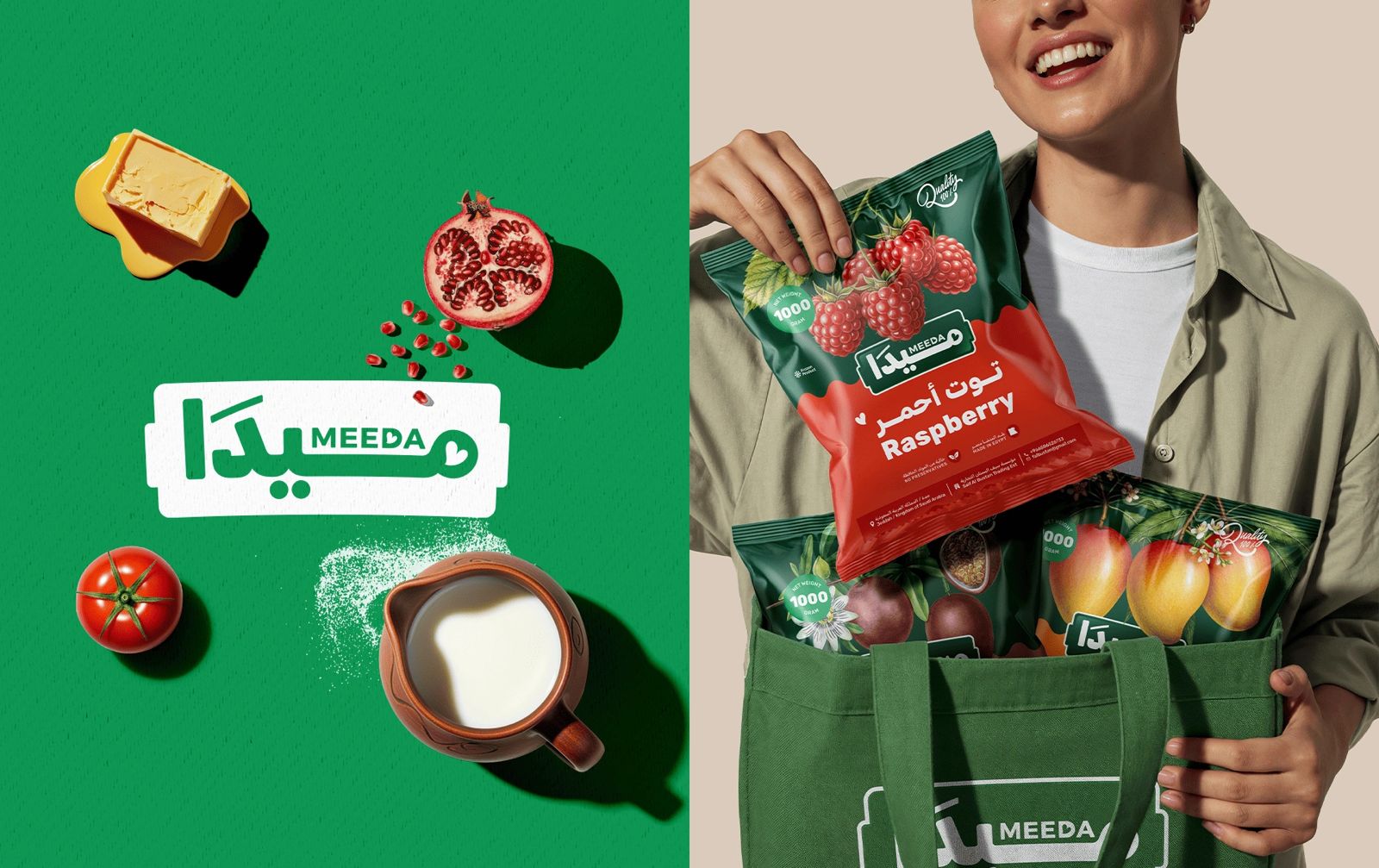
The short version: marketing amplifies your story. If the story isn't clear, marketing just spreads the confusion faster. This article covers how to build a brand story that people remember, from purpose and promise to voice and visuals, and shows how we've done it for brands in Saudi Arabia, Egypt and beyond.
Why good products go unnoticed
Startups rarely fail because nobody wanted the product. More often, the right people never understood why they should want it. The message was vague, the visuals looked like everyone else's, and every campaign said something slightly different.
The most common mistake we see is treating branding as a quick job before launch: a logo, a colour and a website template, then straight into advertising. A few low-return campaigns later, the founder realises the brand needs fixing, and fixing a first impression is always harder than making a good one. It's much easier to shape how people see you early than to change their minds later.
A logo isn't a brand story
A logo is a signature. It's important, but it can't carry a brand on its own. A proper brand identity system has two halves:
- The visual side: logo, colours, typography, imagery, layouts and motion.
- The verbal side: purpose, promise, personality, voice and tone, the rules for how the brand speaks in ads, on social media and in a customer service reply.
Most young brands have some of the first half and almost none of the second. That's why their Instagram sounds different from their website, and their website sounds different from their sales team.
Voice and tone aren't the same thing
Your voice is who you are, and it doesn't change. Your tone is how you adapt to the moment. Think of how you speak to a close colleague versus a new client: you're the same person, just in a different mood.
| Voice | Tone | |
|---|---|---|
| What it is | Your brand's personality | How that personality adapts |
| Does it change? | Never | Constantly, with context |
| Example | Warm, direct, confident | Playful on social, careful in a complaint reply |
| Why it matters | People recognise you anywhere | People feel understood in the moment |
Getting this right in Arabic and English is a craft of its own. It's why creative brand writing is part of how we build identities, not something added at the end.
Build your story in three parts
1. Purpose: what would people miss if you disappeared?
It's a simple question, and it's surprisingly hard to answer well. "High quality and great service" isn't a purpose. Everyone claims it. Your purpose is the real difference you make in someone's day, business or life. Weak brands can't answer this clearly, and it shows: when you're unclear about what you deliver, customers are unclear about why they should care.
2. Promise: say it, then keep it
Your brand promise is the commitment that matters most to your customers and sets you apart from competitors. A good promise does two things: it speaks to the people you most want to attract, and it's something you can deliver every single time. The second part is the hard one. A promise you can't keep is worse than no promise at all.
3. Difference: why you, and not the next tab?
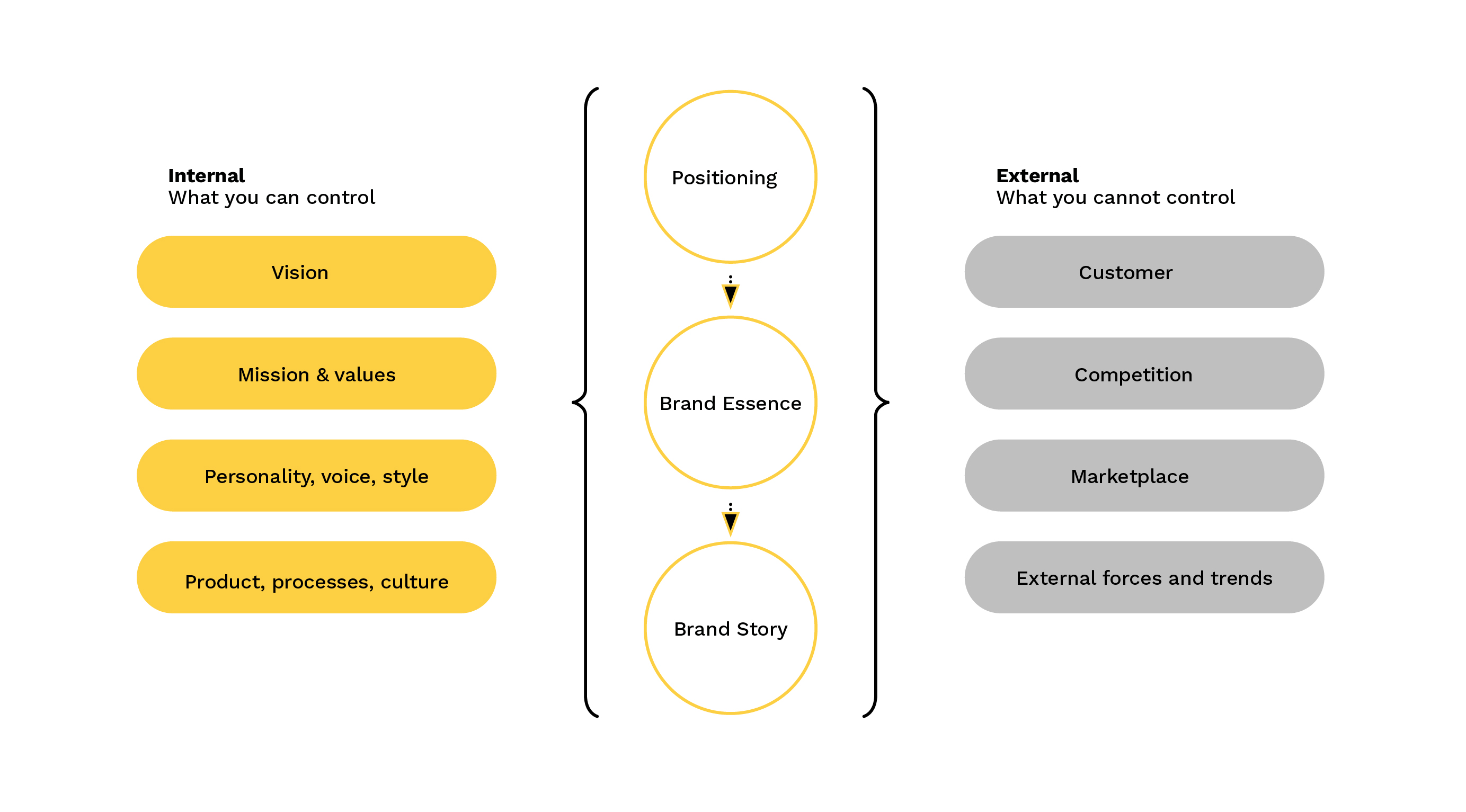
Your company already has a position in your customers' minds, whether you designed it or not. It's built from everything they've seen, heard and experienced of you. Brand positioning is how you take control of that and claim ground your competitors don't already own. If you're not sure where to start, our guide to the types of branding is a useful map, and our branding and positioning work is where we help clients answer it properly.
Make your customer the hero
Here's the shift that changes everything: your brand isn't the hero of its own story. Your customer is. They have the problem, the ambition, the frustration. Your brand is the guide who understands what they're going through and helps them get where they want to go.
When a brand talks mostly about itself, people tune out. When it shows that it understands their problem and has a clear way to help, people lean in. As we like to put it, the logo as the whole brand is dead. The logo as a platform for brand experience is very much alive.
Brand stories from our studio
Here's how that looks in real work. Each of these started with the story, and the design followed.
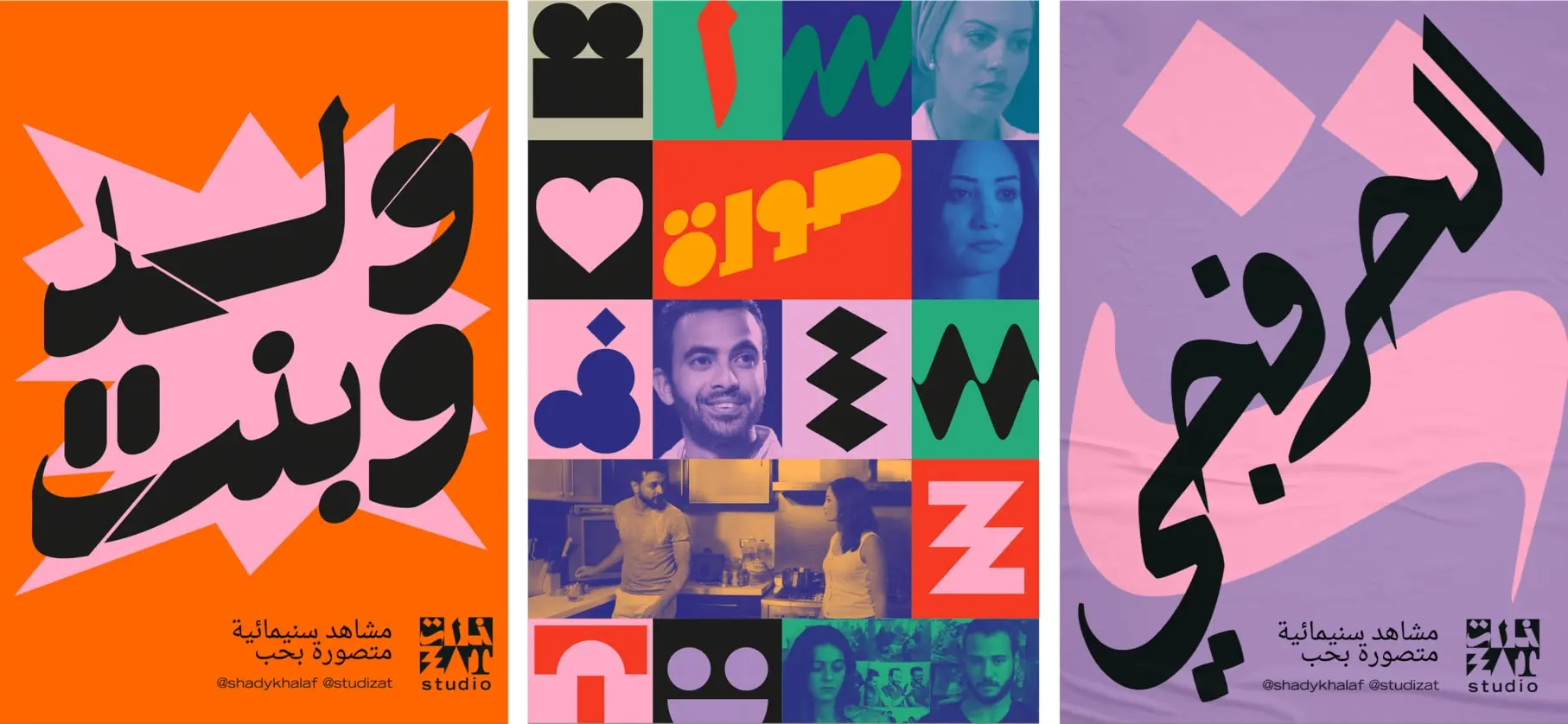
Studio ZAT: every person is a story
Studio ZAT is a creative platform for contemporary art cinema, acting education and independent artistic expression. Its promise, which we wrote together, is simple: to educate and inspire the storytellers and talents of tomorrow.
We approached the brand as a stage where every individual is a story waiting to be told. The idea of transformation, becoming someone else and discovering yourself along the way, shaped every decision: a bold logotype that feels theatrical and contemporary, expressive typography that echoes an actor's emotional range, a warm and open palette that says everyone is welcome, and a website designed to promote workshops and creative programmes.
Studio ZAT in motion: theatrical, contemporary and open to everyone.
Falcon: trust, told through structure
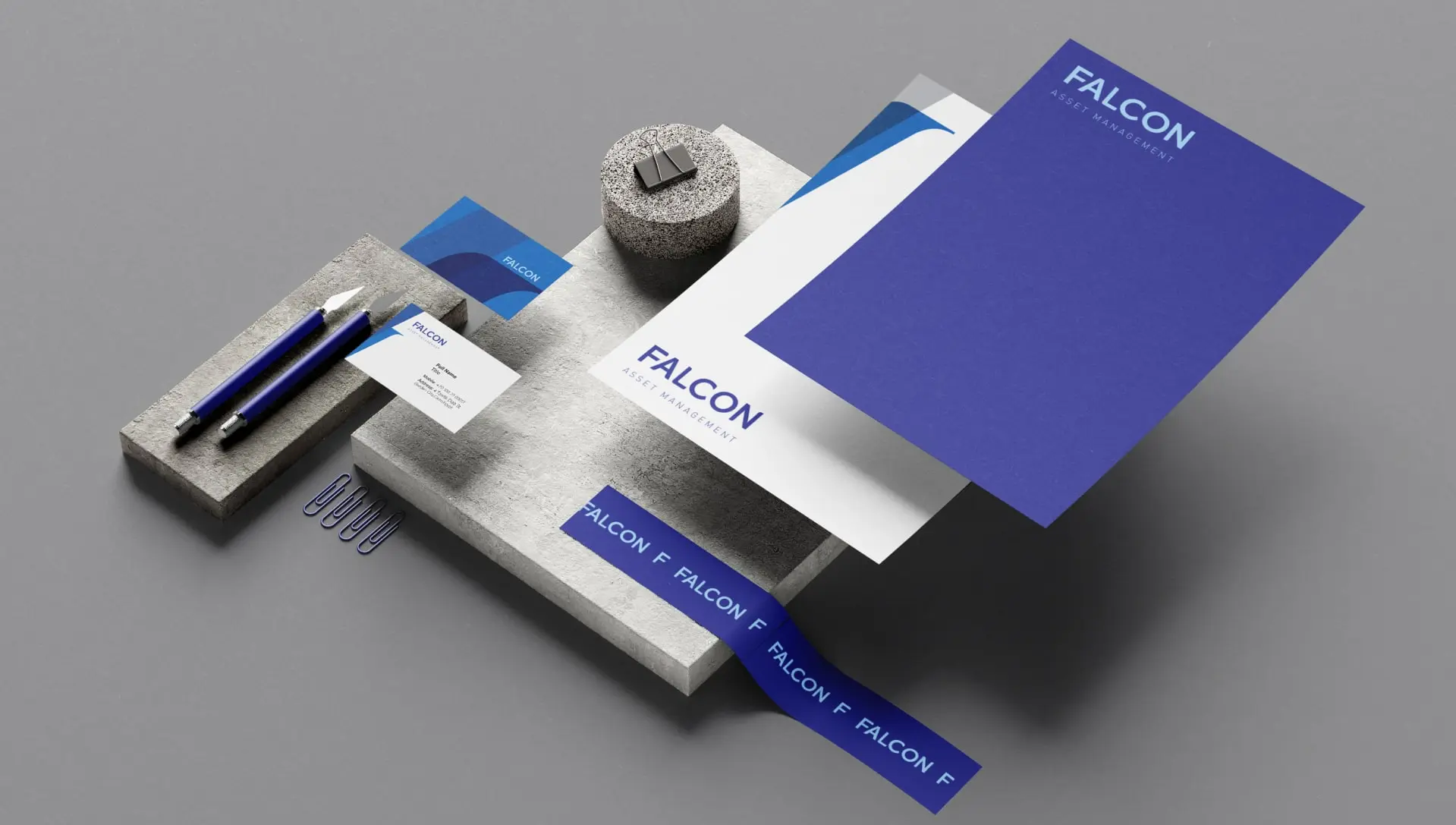
Falcon is a financial brand specialising in global asset management and consultancy. Finance is full of lookalike navy logos and stock photos of handshakes. Falcon's story had to be different: calculated leadership, built on strength, clarity and systemisation.
We grounded the brand in market research and behavioural finance insights, then told the story through structure itself. The falcon became a refined geometric symbol, and a custom, grid-based typeface made the whole identity feel systematic and consistent across global applications. Muted metallics and navy tones carry the sense of security and long-term value. The new identity helped Falcon enter international markets with confidence and build credibility with high-net-worth clients and institutional partners.
The Falcon mark in motion: vision, speed and calculated strength.
Flair: saying what words can't
Flair is a luxury floral boutique in Saudi Arabia. The easy route would have been roses, gold foil and a script font. Instead, we started from what flowers actually do for people: they say what words often can't. That idea led to a hoopoe for a logo, an illustration system built on florals and decorative artistry, and a voice summed up in one line: "Luxury isn't loud. It blooms."
Flair: a floral brand that leads with feeling, not flowers.
Other brand promises we've helped shape include BOXAT, a private nutrition consultant that delivers balanced, healthy meals from a variety of restaurants to your door, and Arfof, a simple, trusted app for buyers and sellers. You can see more stories on our work page.
From story to system
A story only works if people meet it everywhere, in the same voice. That's what we mean by a brand environment: the full set of visual and verbal rules that lets your story live beyond the logo.
Ask yourself a few practical questions. When you hire a photographer, what do you tell them? Does your social media agency know how to tell your story visually? Is a logo and a colour palette enough to design a flyer, an email campaign or a website? If the answers are vague, your brand is being reinvented every time someone new touches it.
Our Design service turns the story into a system in five steps:
- Creative orientation. Research visual territories and agree on direction before designing. We explain this step in detail in creative orientation.
- Concept development. Several genuinely different creative directions, each built from the story.
- Design system creation. Logo, typography, colour and visual assets.
- Application and testing. The identity tried on real touchpoints, from packaging to social media.
- Brand guidelines delivery. Everything documented in brand guidelines, visual and verbal, so your team and partners stay consistent.
From there, our Communication team carries the story into content and campaigns, and our Experience team into websites and apps. You can see how all of it connects on our services page.
Where to start
You don't need a full rebrand to begin. Start with a few honest answers:
- Write your purpose in one sentence. If it takes a paragraph, it isn't clear yet.
- Name the promise you keep every time. Not the one you wish you kept.
- List what makes you different. Then cross out anything a competitor could also claim.
- Collect everything your brand has published. Lay it side by side. Does it sound like one company?
- Compare your visuals to your goals. Are they helping, or just decorating?
If the gaps are big, you may need more than a refresh. Our guides on brand strategy and working with a rebranding agency will help you decide what comes next.
Common questions
What is a brand story?
It's the reason your company exists, told in a way your customers care about. A good brand story explains what problem you solve, what you promise, and why you're different, with the customer as the hero and your brand as the guide who helps them.
What's the difference between a brand promise and a slogan?
A slogan is a line you say. A promise is something you do, every time. The promise guides decisions inside the company. A slogan may express it, but only if the business actually keeps it.
What's the difference between brand voice and tone?
Voice is your personality, and it stays the same everywhere. Tone is how that personality adjusts to the moment: more careful in a complaint reply, more playful in a social post. Same person, different mood.
When should a startup invest in branding?
Before it invests heavily in marketing. Advertising amplifies whatever story you already have. If the story is unclear, ads just spread the confusion faster and more expensively.
What should brand guidelines include?
The visual rules, such as logo use, colours, typography, imagery and layouts, and the verbal ones: purpose, promise, voice, tone and key messages. Guidelines that only cover the logo leave your team guessing about everything else.
What story is your brand telling right now?
We'd be pleased to help you find it, sharpen it and turn it into a brand people recognise everywhere. Generator works with founders and growing companies across Saudi Arabia, Egypt and the UAE. It would be a pleasure to hear from you.
Explore our design services Start a conversationGenerator Design Agency · Cairo, Egypt · Working across Saudi Arabia, Egypt & the UAE · See more work · Our services